
 Solar Panels
 Solar Inverters
 Energy Storage
 Power Backup
 Solar Accessories
 Electrical Equipment
 Smart Energy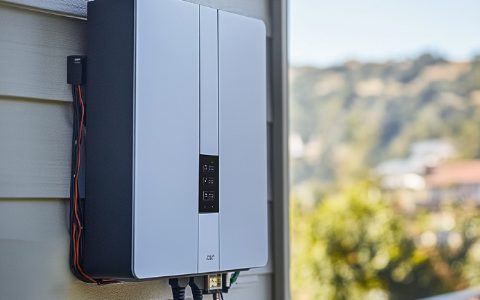
The inverter decides how your solar system behaves when the sun sets, when the grid fails and when you want to add batteries later. Choosing well starts with four questions.
1. Do you need power during grid outages?
An on-grid inverter converts solar power for use in the building and exports surplus to the grid, but it shuts down during an outage for safety. If backup matters, choose a hybrid inverter (solar, battery and grid in one unit) or an off-grid inverter for sites without a reliable grid connection.
2. Single phase or three phase?
Match the inverter output to your electrical supply. Most homes use a single-phase connection; factories, larger shops and many commercial buildings use three phase. A three-phase site generally needs a three-phase inverter so that loads stay balanced.
3. How big is your load and your roof?
List the appliances you want to run and when you use them. The inverter's rated AC output must cover the loads that run together, while its PV input range determines how many panels you can connect. Motors, pumps and air conditioners draw a surge when they start, so check the inverter's surge or overload rating as well.
4. What batteries will you use?
Hybrid and off-grid inverters are designed for a battery voltage (commonly 12 V, 24 V or 48 V for low-voltage systems). Confirm the battery chemistry supported, the maximum charge current and whether the inverter communicates with the battery management system over CAN or RS485.
Checklist before you buy
- System type: on-grid, hybrid or off-grid
- Phase: single or three phase
- Rated AC output and surge capacity
- Number of MPPT trackers and PV voltage range
- Battery voltage and communication
- Monitoring options and IP rating for the installation location
Not sure where to start? Share your appliance list and site details with the SMART TECH team and we will help you compare suitable options.