 Solar Panels
 Solar Inverters
 Energy Storage
 Power Backup
 Solar Accessories
 Electrical Equipment
 Smart Energy
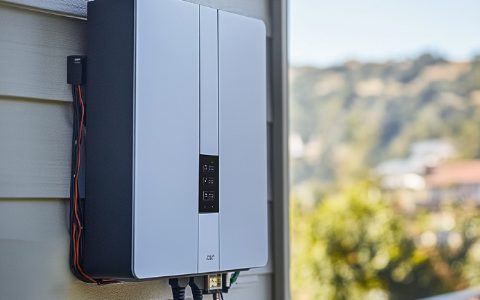
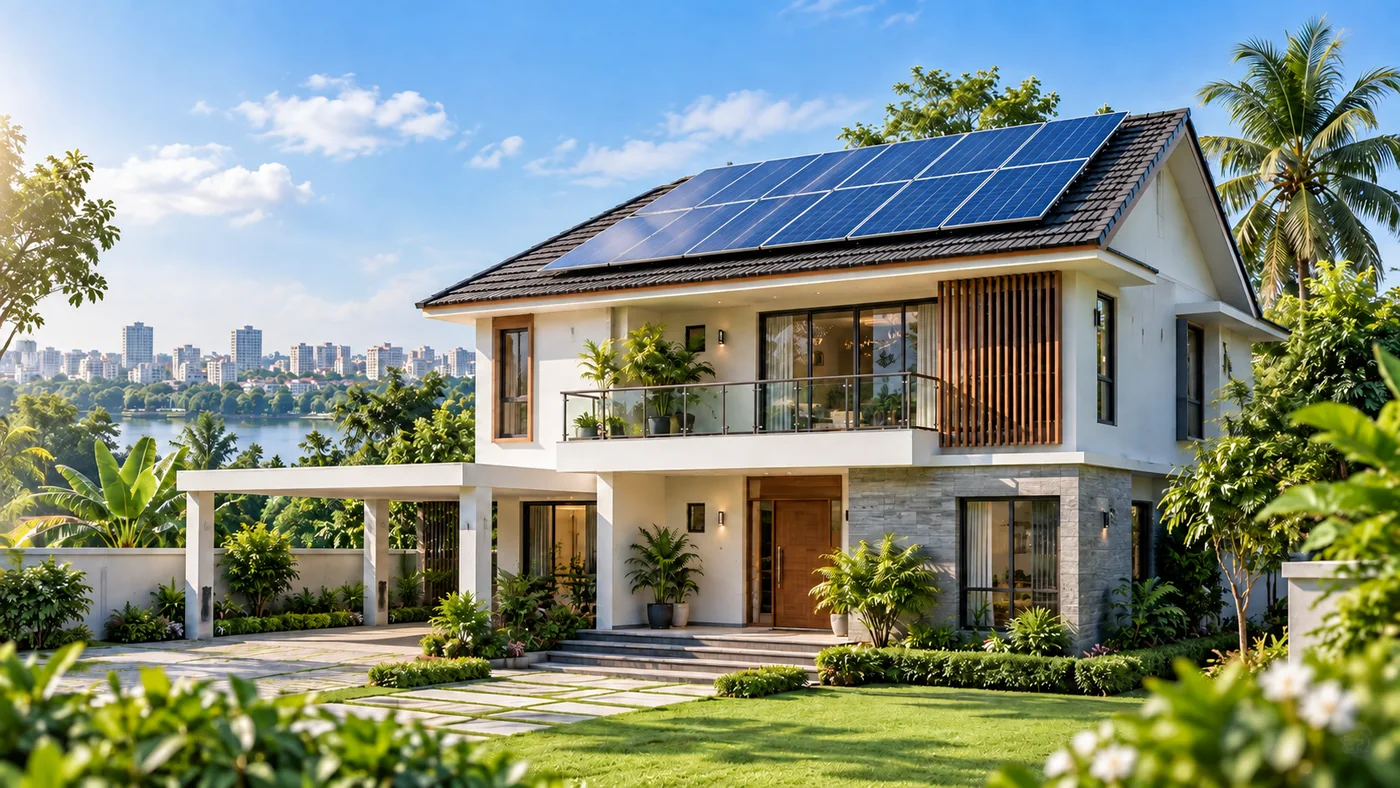
Both on-grid and hybrid systems use solar panels and an inverter connected to the grid. The difference is what happens when the sun is down or the grid is off.
On-grid systems
An on-grid system uses solar power first and draws the balance from the grid. It has no batteries, so it is simpler and usually the lowest cost per installed watt. During a grid outage the inverter disconnects automatically, so the building has no solar power until the grid returns.
Good fit: sites with a stable grid, high daytime consumption and a goal of reducing electricity bills.
Hybrid systems
A hybrid system adds battery storage. Solar charges the battery during the day, the battery supplies loads in the evening, and selected backup circuits keep running during outages. Many hybrid inverters can also work with a generator.
Good fit: homes, clinics, shops and offices affected by load shedding, or sites that want to use more of their own solar energy after sunset.
Questions to decide
- How often do outages happen and how long do they last?
- Which loads must stay on during an outage?
- When do you use most of your electricity?
- Do you plan to add batteries later?
If batteries are part of your future plan, a hybrid inverter can be installed now and storage added later.