
 Solar Panels
 Solar Inverters
 Energy Storage
 Power Backup
 Solar Accessories
 Electrical Equipment
 Smart Energy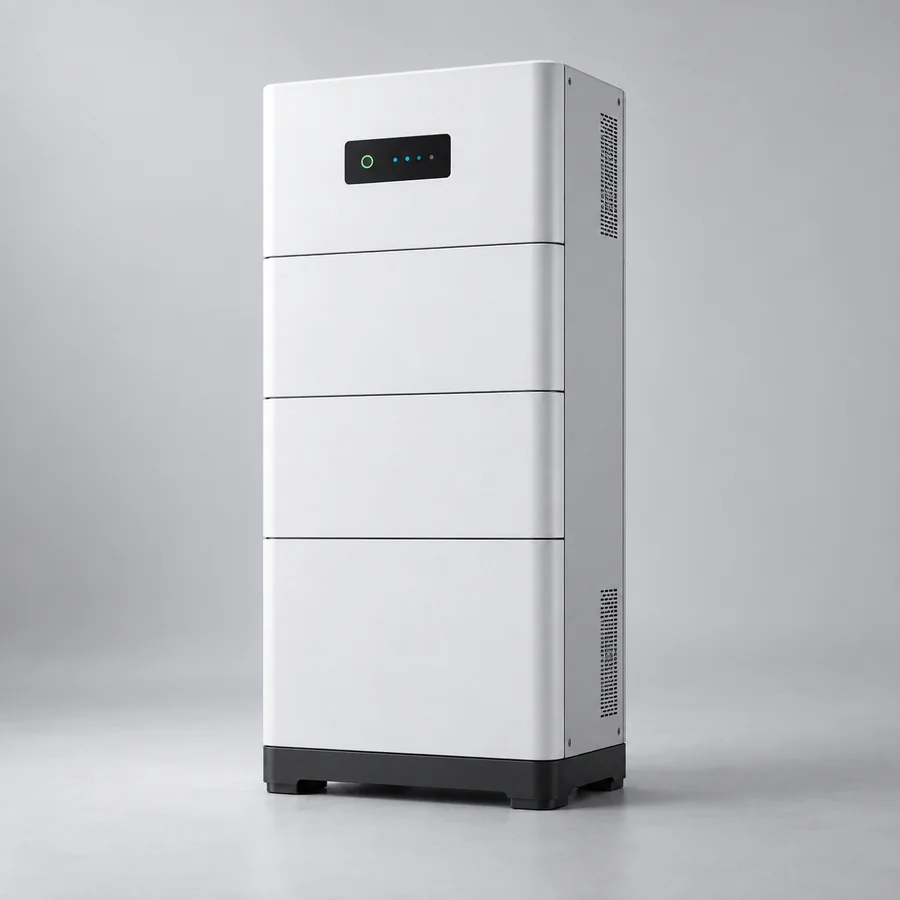
Batteries store solar energy for the evening and keep essential loads running during outages. The two chemistries you will meet most often are lead acid and lithium iron phosphate (LiFePO4).
Usable capacity
A battery's nameplate capacity is not the energy you can use every day. Lead acid batteries are usually operated at a shallow depth of discharge to protect their life, while LiFePO4 batteries are typically designed for a much deeper regular discharge. Compare usable kWh, not just Ah.
Cycle life
Cycle life describes how many charge and discharge cycles a battery delivers before its capacity falls to a stated level. LiFePO4 datasheets generally list several thousand cycles; always compare figures at the same depth of discharge and temperature.
Charging and efficiency
Lithium batteries accept higher charge currents and lose less energy in each cycle, which helps when solar hours are limited. Lead acid batteries need longer absorption charging to stay healthy.
Maintenance and space
- LiFePO4: sealed, lighter, compact, with a built-in battery management system (BMS)
- Flooded lead acid: needs ventilation and periodic water top-up
- Sealed lead acid (AGM/Gel): maintenance free but heavier per usable kWh
Compatibility
Whatever you choose, the battery voltage and charging profile must match the inverter. For lithium batteries, check that the inverter supports communication with the BMS so charge limits are respected.
Compare the cost per usable kWh over the expected life of the system rather than the purchase price alone.